ADHD and Rejection Sensitivity: When “No” Feels Like the End of the World
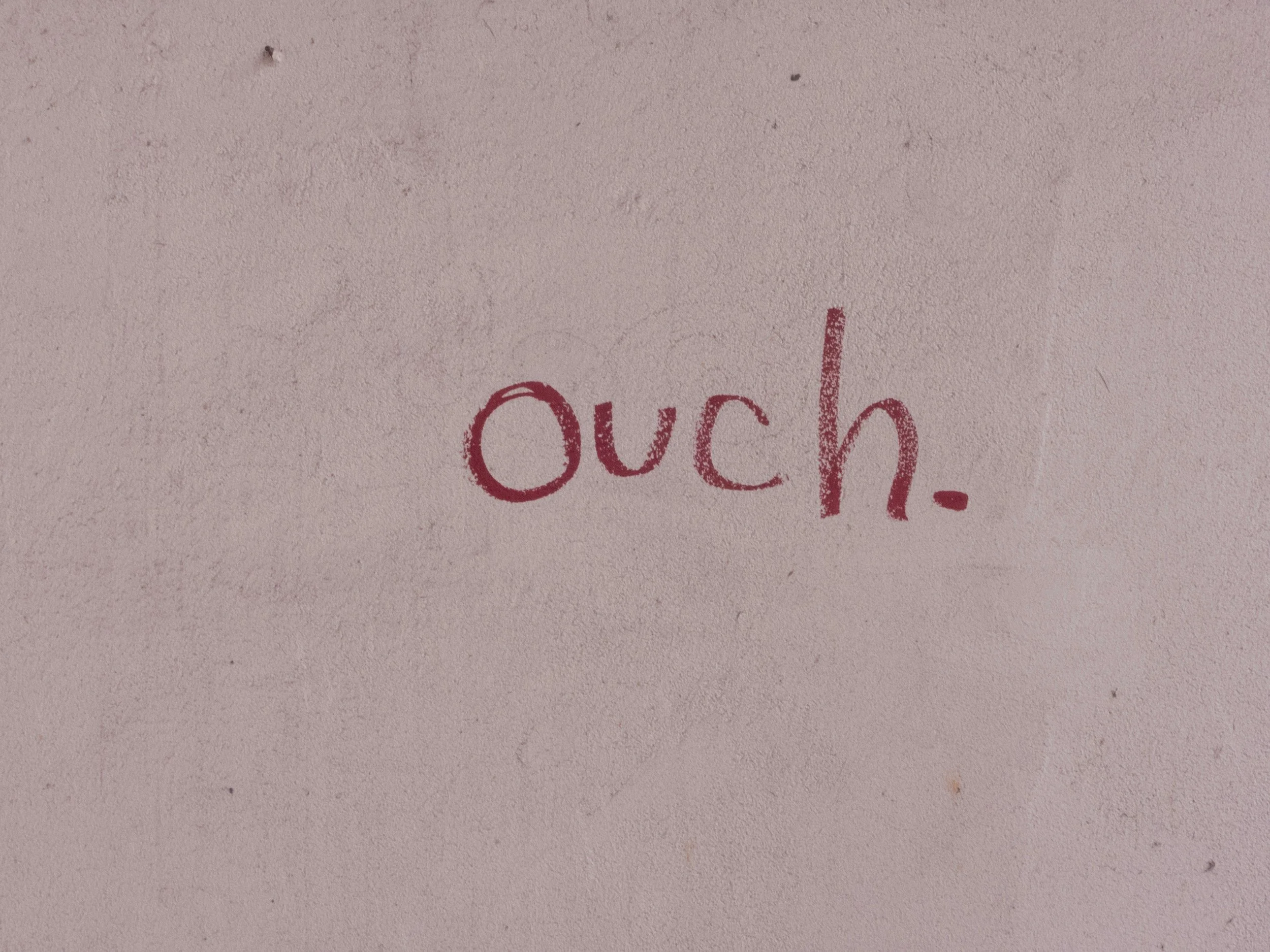
You send a text and don’t get a reply right away. Your mind starts spinning: Did I say something wrong? Are they upset with me? Do they even like me anymore? Or maybe your boss gives a small piece of feedback, and suddenly it feels like they hate your work entirely.
If you live with ADHD, this might sound familiar. Many people with ADHD experience Rejection Sensitive Dysphoria (RSD) a heightened sensitivity to real or perceived rejection, criticism, or disapproval. It’s not being “dramatic.” It’s a nervous system response that can feel physically painful.
Why It Happens
ADHD brains process emotions intensely, and research suggests differences in the way our nervous systems regulate stress and rejection. On top of that, many people with ADHD grow up hearing messages like “you’re lazy” or “you’re too much,” which reinforces fears of letting people down. Over time, even small signals can feel like huge threats to connection.
ADHD-Friendly Tips to Try
1. Pause before reacting.
When rejection feels overwhelming, give yourself a few minutes to breathe before responding. This short pause creates space between the emotion and your reaction.
Try grounding techniques like naming five things you see to calm your nervous system.
2. Check the facts.
Ask yourself: What do I actually know for sure? If a friend hasn’t texted back, the fact is simply that they haven’t replied yet. The story your brain adds (they’re mad at me, they don’t care) isn’t confirmed. You don’t have quite enough evidence to say that.
3. Create “compassion scripts.”
Write down phrases you can come back to in the moment, like: “It makes sense that this feels big to me, but I don’t have the full picture yet.” Or: “One piece of feedback doesn’t erase everything I do well.”
4. Talk openly with safe people.
You don’t have to carry this alone. With trusted friends or partners, you can say, “Sometimes my ADHD makes me super sensitive to rejection if I check in, it’s because I value our connection.” This helps them understand and support you.
5. Build self-soothing practices.
Create a list of activities that help you ride out the storm such as walking, listening to calming music, journaling, or another go-to coping strategy. Having go-to strategies makes the wave of rejection sensitivity easier to manage and less overwhelming.
